

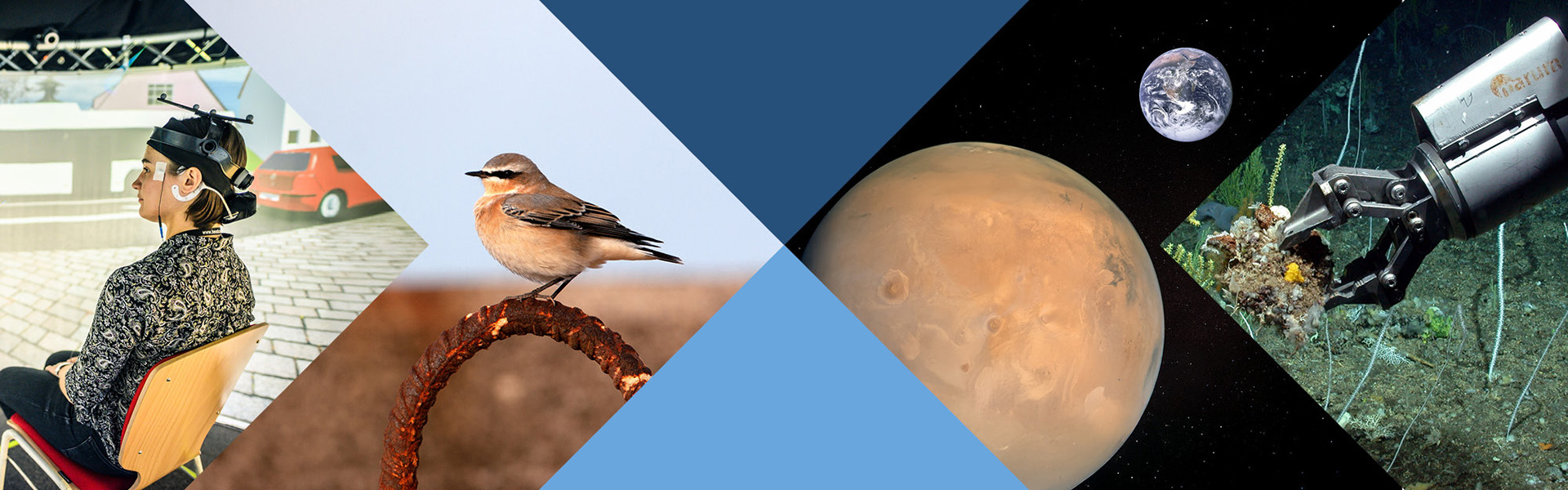
From the ocean floor to Mars, from human hearing to animal navigation: As part of the German Excellence Strategy, four Clusters of Excellence at the universities of Bremen and Oldenburg have secured seven-year funding since January 2026.
The Ocean Floor – Earth’s Uncharted Interface
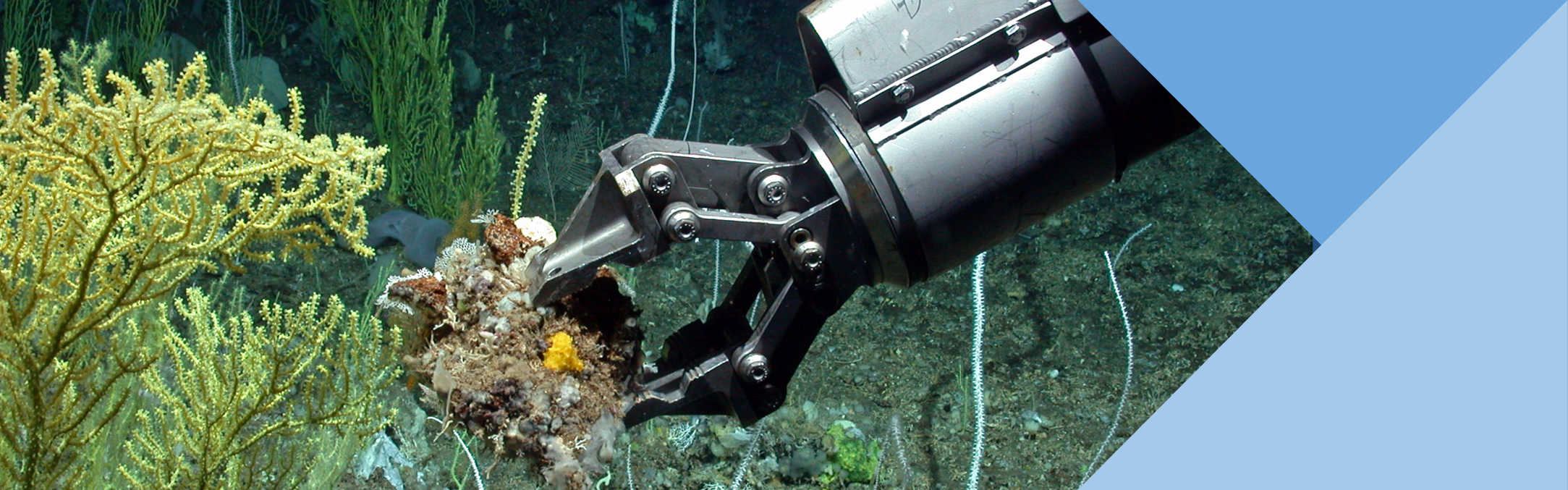
In the Cluster of Excellence “The Ocean Floor – Earth’s Uncharted Interface,” the universities of Bremen and Oldenburg pool their expertise to further advance our understanding of the role of the ocean floor in biogeochemical cycles and biodiversity under changing climatic conditions. The cluster’s research will provide a scientific basis for the protection and sustainable use of the oceans.
The ocean floor acts as a dynamic interface and fulfils wide-ranging functions for the entire Earth system. The researchers in the cluster investigate the processes that control global matter fluxes towards, above, and in the ocean floor. This involves deciphering the processes that regulate the transport of biogenic particles to the ocean floor and their transformation under changing environmental conditions, analyzing the transfer of carbon and other elements between the ocean floor and seawater, and understanding how ecosystems on the ocean floor react to environmental changes. In view of the scientific and technological complexities, these objectives can only be achieved in the context of an interdisciplinary research network.
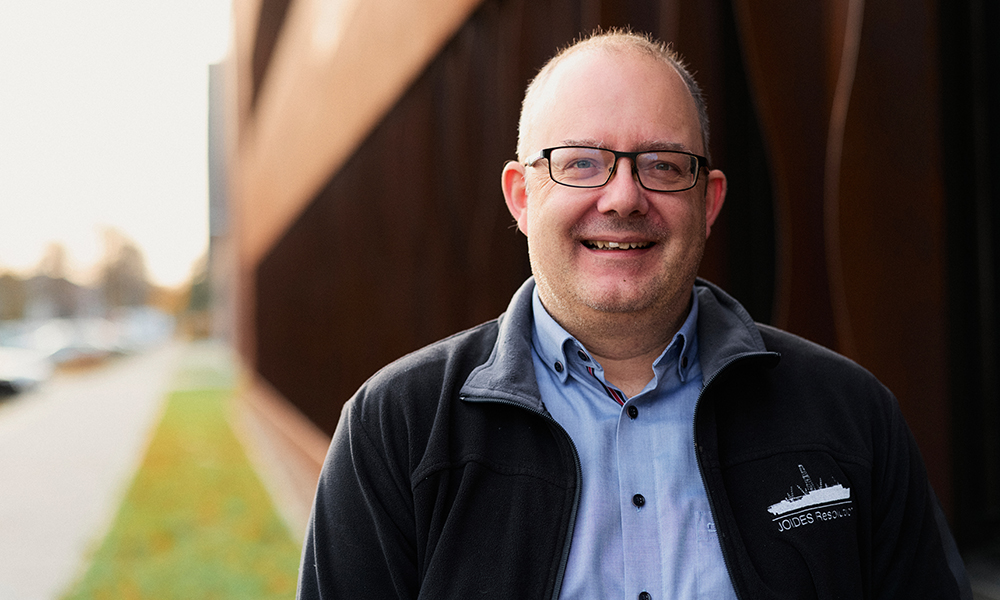
Professor Heiko Pälike
Heiko Pälike is Professor of Palaeoceanography at the University of Bremen, Germany, where he has worked since 2012. He previously held positions at the University of Southampton and the University of Stockholm. He graduated in the field of Earth Sciences at the Universities of Cambridge and University College London. His research focuses on Cenozoic climate history, marine geology, paleoclimatology, and Milankovitch cycles, combining mathematical orbital mechanics with climate forcing. He has contributed extensively to the International Ocean Drilling Programs, co-chairing committees and co-designing scientific strategies. He is now speaker of the Excellence Cluster “Ocean Floor ”.
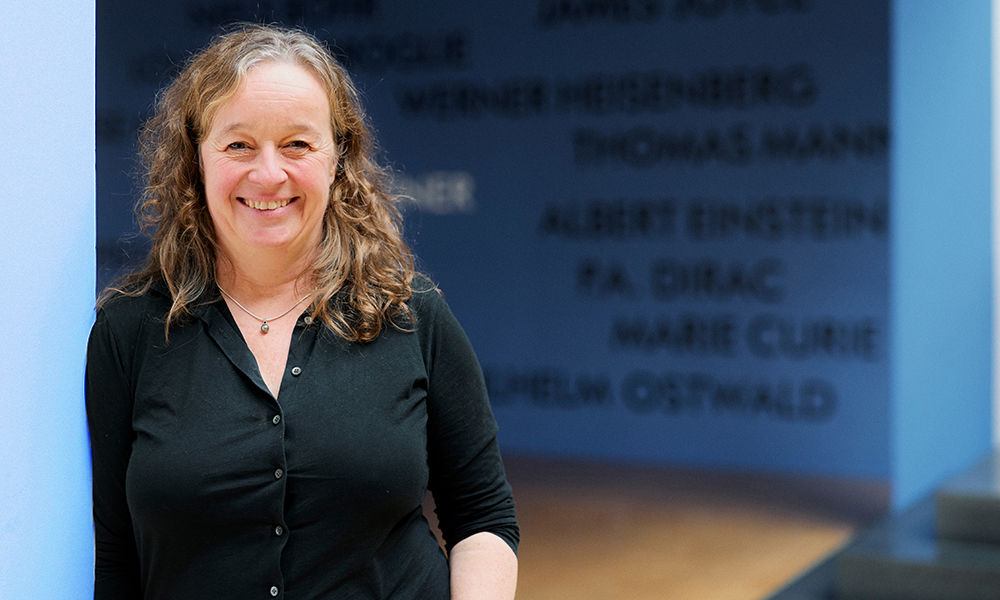
Professor Gesine Mollenhauer
Gesine Mollenhauer has been an organic sedimentology professor at the University of Bremen since 2011 and is the scientific head of the MICADAS 14C dating laboratory at the Alfred Wegener Institute, Helmholtz Centre for Polar and Marine Research (AWI). After completing her doctorate in marine geology, she worked as a postdoctoral researcher at the Woods Hole Oceanographic Institution (WHOI, USA) and the Royal Netherlands Institute for Sea Research (NIOZ, Netherlands). She subsequently led a junior research group and later headed the Geosciences Department at AWI. Her research focus is on the marine organic carbon cycle, age determination in sediments, and sediment transport in the ocean. She is a co-speaker of the Excellence Cluster “Ocean Floor ”.
Professor Helmut Hillebrand
Helmut Hillebrand has been Professor of Plankton Ecology at the Institute for Chemistry and Biology of the Marine Environment at the University of Oldenburg since 2008, and Director of the Helmholtz Institute for Functional Marine Biodiversity since 2017. For his internationally recognized research, he combines experiments, data analysis, and quantitative syntheses to elucidate the causes and consequences of changes in biodiversity. Among his many roles, he is co-spokesperson of The Ocean Floor Cluster of Excellence, leads the DFG-funded Research Unit DynaCom, and is a member of the DFG’s Standing Senate Commission on Fundamental Issues of Biological Diversity.
The Martian Mindset – A Scarcity-Driven Engineering Paradigm

The interdisciplinary cluster team at the University of Bremen brings together researchers from the natural sciences, engineering, mathematics, behavioral sciences, and communication technology. Together, the scientists are adopting a “Martian mindset” in order to rethink the production of materials and components from the ground up. The scarcity of resources and extreme conditions on the red planet serve as an experimental setting to develop a new paradigm of sustainability that enables innovative resource and energy-saving processes for material extraction and processing. In the long term, the cluster will thus contribute to sustainable space exploration and, above all, promote eco-friendly practices on Earth.
To simulate this scenario, the researchers are imposing constraints on themselves in four dimensions, and are developing solutions for these in the Martian Mindset Cluster. They will be working with limited raw materials, limited electrical energy, limited labor, and limited information. Taking these framework conditions into account, this project pursues the three objectives of developing (bio)electrochemical methods that can extract metals, plastics, and other essential raw materials from low-grade starting materials without relying on fossil fuels, demonstrating the feasibility of low-energy process chains that can produce high-quality components from these raw materials, and designing novel operating concepts for production systems that can be operated by small teams of humans and robots under uncertain and information-limited conditions.
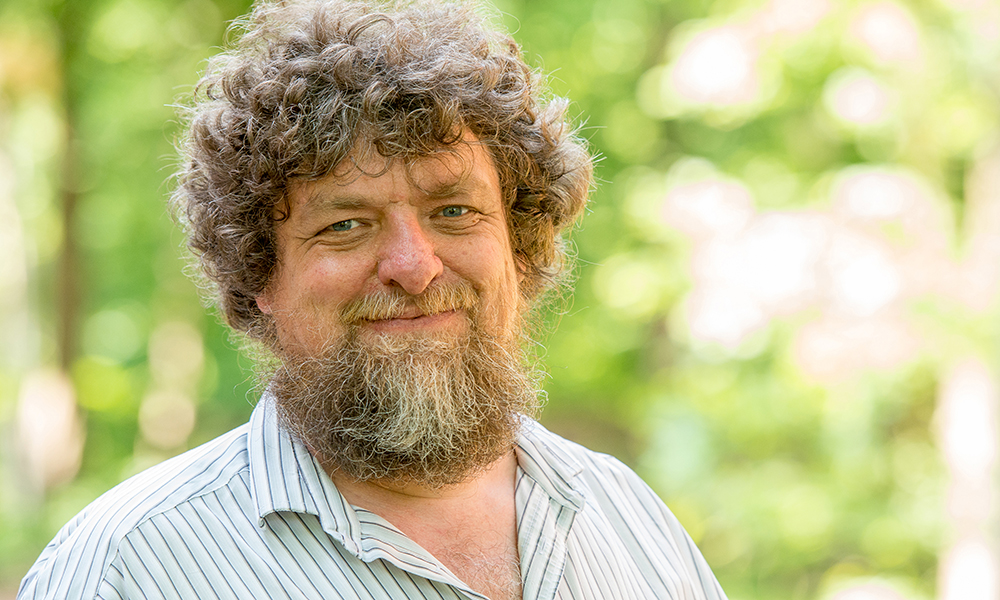
Professor Marc Avila
Marc Avila studied mathematics in Barcelona, and discovered his passion for fluid mechanics during a semester abroad in Glasgow. He then completed a doctoral degree in applied physics and scientific simulation at the Polytechnic University of Catalonia. After positions in Göttingen and the University of Erlangen-Nuremberg, he took on the role of director of the Center of Applied Space Technology and Microgravity (ZARM) and professor for fluid mechanics at the University of Bremen in 2016. He and Kirsten Tracht are co-spokespersons for “The Martian Mindset” Cluster of Excellence.
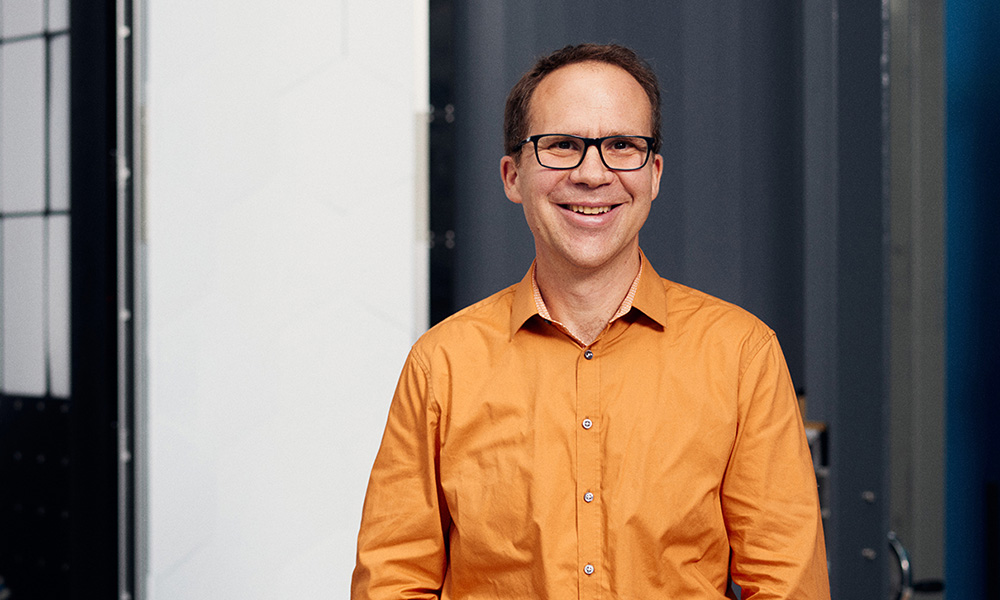
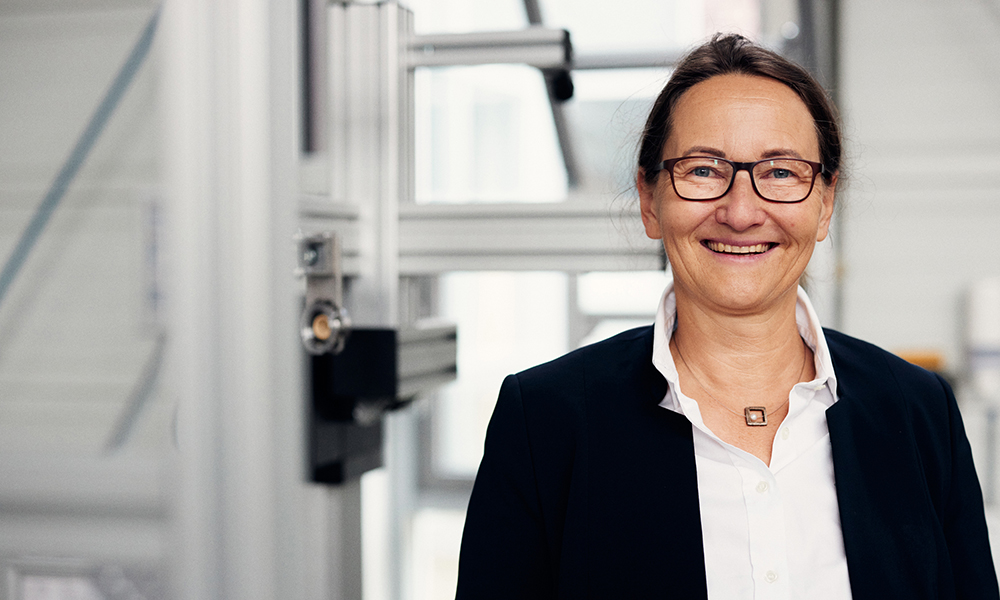
Professor Kirsten Tracht
Kirsten Tracht developed an interest in natural sciences and mathematics at an early age, which led her to study mechanical engineering at the University of Hannover, where she received a doctoral degree in 2001. She has been a professor for technology-oriented process design and director of the Bremen Institute for Mechanical Engineering (bime) at the University of Bremen since 2008. She and Marc Avila are co-spokespersons for “The Martian Mindset” Cluster of Excellence. She is also head of the processing research area.
Hearing4all.connects

The researchers involved in the Hearing4all Cluster, a joint endeavor of the University of Oldenburg, Hannover Medical School, and Leibniz University Hannover, aim to improve the prediction, diagnosis, and treatment of hearing loss. Hearing4all (H4a) has already achieved significant results over the course of two previous funding periods since 2012. Under the new guiding principle Hearing4all.connects, the research alliance will expand to include additional disciplines, enabling an even more comprehensive investigation of hearing loss. In the coming years, researchers will pursue new genetic approaches to predicting, diagnosing, and treating hearing loss. They will also explore how artificial intelligence can enable hearing aids and cochlear implants to distinguish more effectively between important and irrelevant sound sources. Another key area of research involves the development of shared data standards. These standards will enable the training of AI-based systems that can predict an individual’s probability of hearing loss.
Researchers also aim to transform hearing aids into comprehensive hearing health systems, using sensor data collected at the ear to provide long-term health data and early indicators for declining health. Hearing4all also seeks to better understand the real-life challenges people with hearing loss face. Researchers will investigate the role of multilingualism in hearing, conduct studies outside the lab in real-world environments, and explore the importance of hearing in social interactions. Close collaboration with non-university partners remains a central component of the cluster’s work, supporting the rapid transfer of research findings into practical applications.
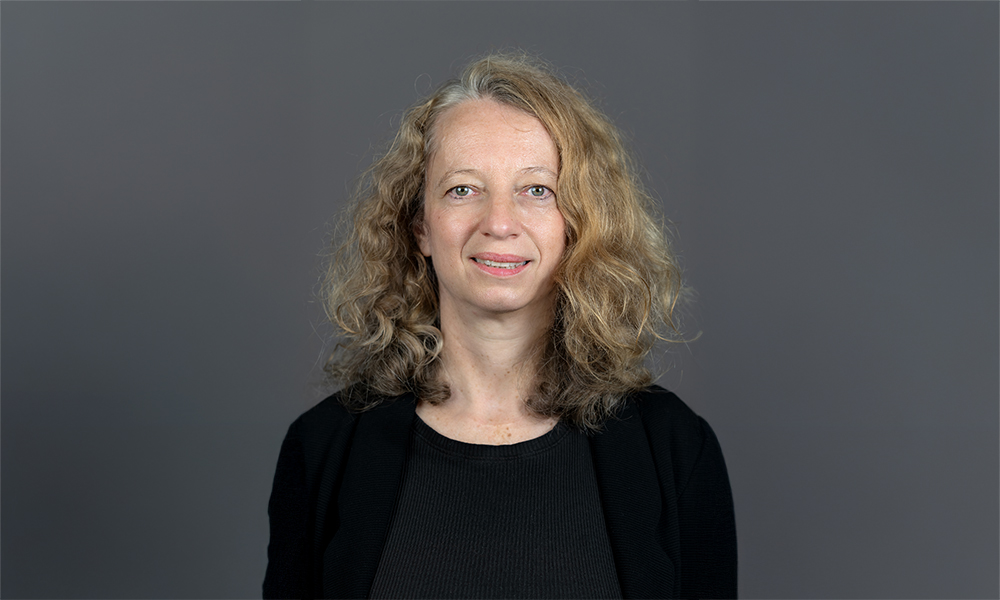
Professor Christiane Thiel
Christiane Thiel has been a cognitive neurobiology professor in the Department of Psychology at University of Oldenburg since 2005. Her broad research portfolio spans auditory processing, attention, and neuromodulation. Professor Thiel has established cognitive neuroscience as a thriving field at the University of Oldenburg, building cutting-edge neuroimaging research infrastructure and launching an international master’s research program. She serves as spokesperson of the RTG Neuromodulation of Motor and Cognitive Function in Brain Health and Disease, and will also take on this role for the Hearing4all.connects Cluster of Excellence.
NaviSense

The mission of the NaviSense team at the University of Oldenburg is to gain a thorough understanding of how animals navigate over long distances. Their findings are to be incorporated into nature conservation strategies and technological innovations such as quantum technologies and autonomous navigation systems. The team’s work is divided into four research foci: The first will investigate the underlying mechanisms of magnetoreception and other senses that animals use to navigate, with a detailed evaluation of the magnetic and celestial compass and the processing of sensory information in the brain. As the magnetic sense of birds seems to be based on a quantum effect, the second research focus is on quantum physical phenomena – in particular phenomena which occur at ambient temperature, like magnetoreception. Most of today’s quantum technologies can only be implemented at extremely low temperatures. Understanding how quantum physical processes can be controlled at higher temperatures would therefore be a major step.
In the third research focus, the team aims to use the findings from navigation biology research in nature conservation. Migratory animal species are particularly affected by climate change and habitat loss; however, efforts to rewild endangered species in new and suitable locations often fail. The goal is to develop better, science-based conservation strategies. In the fourth research focus, the NaviSense scientists will develop and test models and algorithms for virtual and real-world robotic systems that are inspired by animal navigation, for instance sensors or autonomous navigation systems.
Professor Henrik Mouritsen
Henrik Mouritsen was appointed Professor of Neurosensory Science at UOL’s Institute of Biology and Environmental Sciences in 2007, following a Freigeist junior research group leadership position, funded by the Volkswagen Foundation, and a Lichtenberg professorship. He is internationally recognized as a leading researcher in the field of animal navigation and magnetoreception. He is also the recipient of an ERC Synergy Grant (with Oxford University), the Eric Kandel Prize for Neuroscience, and the spokesperson of the NaviSense Cluster of Excellence.
About the Excellence Strategy
The University of Bremen and the Carl von Ossietzky University of Oldenburg submitted their joint proposal, “Northwest Alliance: Connecting for Tomorrow,” to the German Science and Humanities Council in November 2025 as part of the Excellence Strategy. With this proposal, both universities are pursuing the vision of further developing the Northwest into an internationally visible science hub, creating excellent conditions for forward-looking research and teaching, and further strengthening exchange between universities and society. Pending a successful decision in October 2026, the universities of Bremen and Oldenburg would receive funding for their strategic future concept starting in 2027.
The Excellence Strategy of the federal and state governments aims to strengthen Germany’s position as a leading research hub in the long term and to further enhance its international competitiveness. The program is jointly implemented by the German Research Foundation (DFG) and the German Science and Humanities Council through two funding lines: the Clusters of Excellence, which support internationally visible fields of research, and the Universities of Excellence, through which individual universities or university alliances are strengthened in their long-term strategic development. Eligibility for funding as a University of Excellence requires success in the cluster funding line; individual universities must have at least two Clusters of Excellence, and university alliances at least three.