
Northwest Alliance
Welcome to the new Research and Outreach Space in the Northwest!






The Universities of Bremen and Oldenburg are forging a shared path in the race for excellence through the Northwest Alliance. In this interview, President Jutta Günther explains why the collaboration is an important step for both institutions, how the consortium adds value through its joint structures, and why social responsibility is a cornerstone of their shared vision.
The Northwest Alliance Research Fund is an initiative of the Northwest Alliance, a strategic partnership between the universities of Oldenburg and Bremen. The fund’s objective is to enhance academic collaboration between the two universities, and the new funding initiatives are proving to be successful.
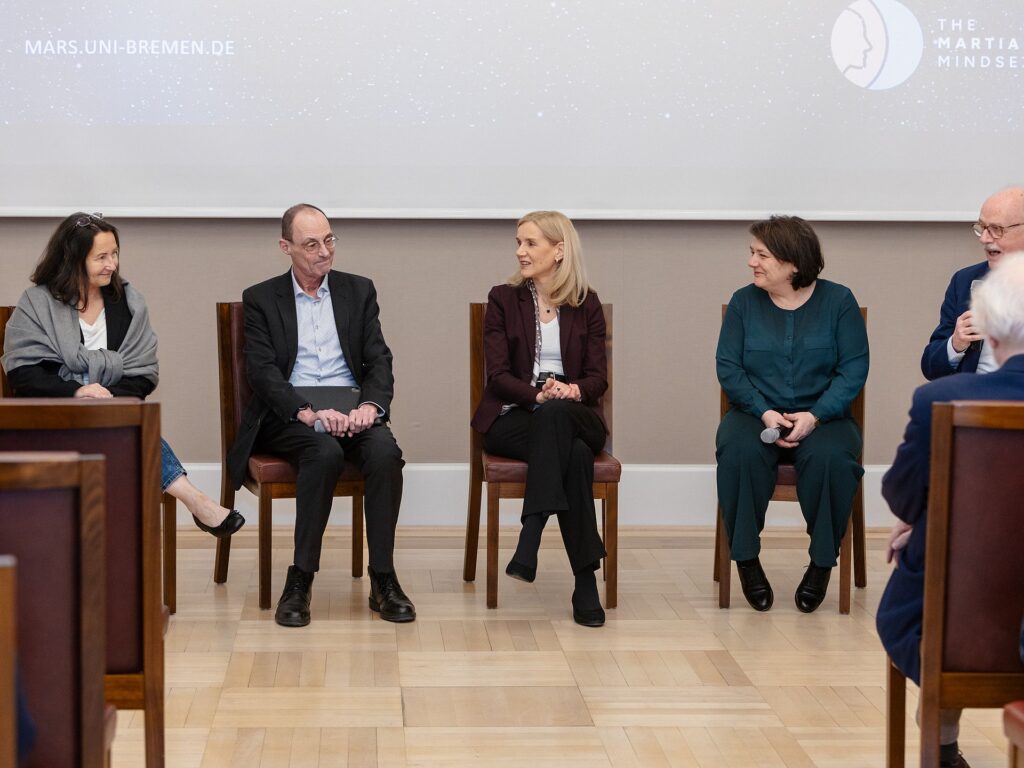
University of Bremen scholars were invited by unifreunde to speak about “The Martian Mindset” Cluster of Excellence during the 16th Conrad Naber “Visions” Lecture held at the Chamber of Commerce.
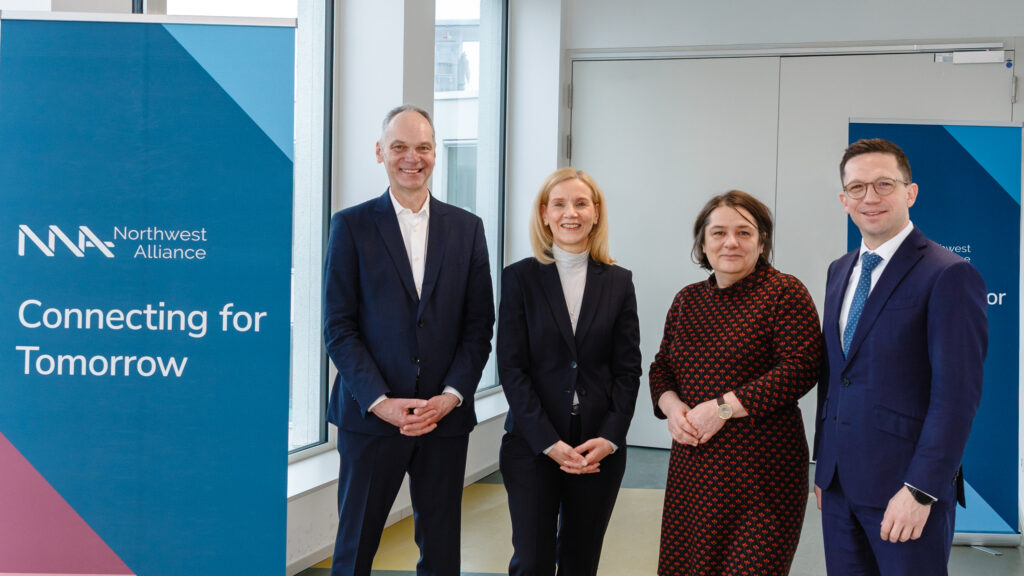
Top-level Northwest Alliance meeting in the Forum at Domshof: Bremen’s Science Senator Henrike Müller and her Lower Saxony counterpart Falko Mohrs met with the leaders of the University of Bremen and the University of Oldenburg to discuss the status of the Excellence proposal.
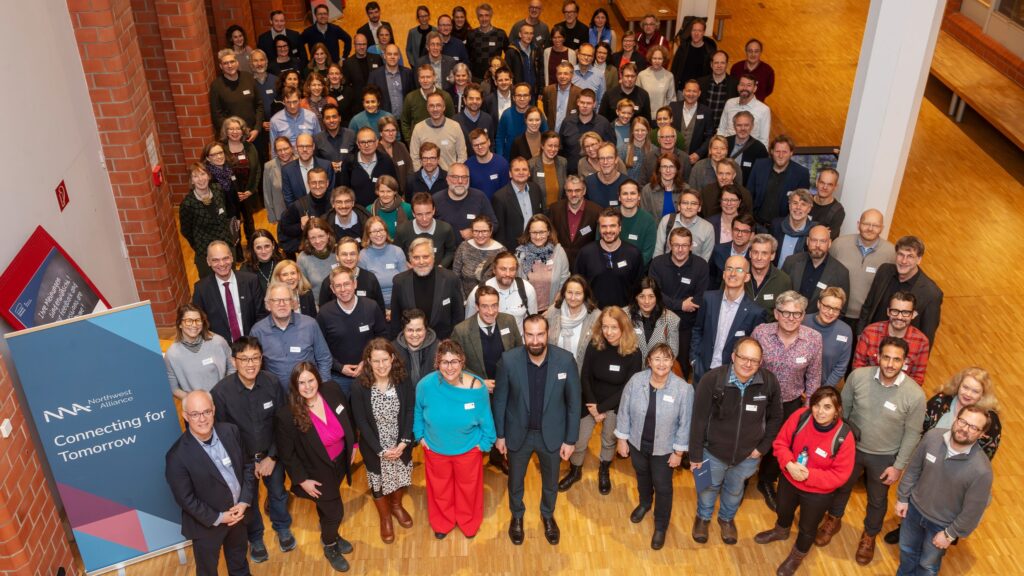
More than 100 researchers from the universities of Oldenburg, Bremen, and Groningen gathered in Oldenburg to exchange ideas about their future cooperation in the Northwest Alliance.
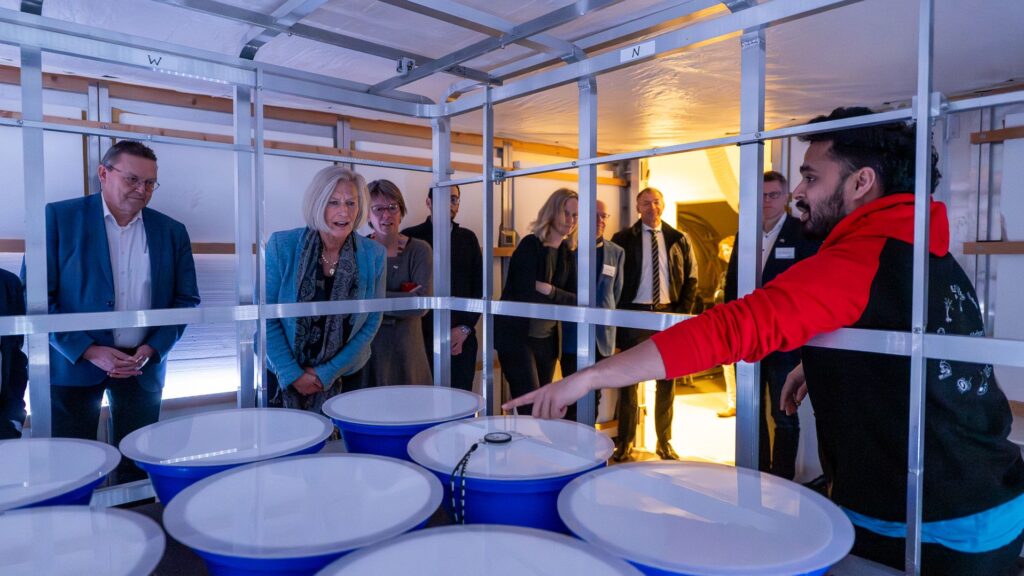
A delegation from the University of Groningen visited its German partner universities in the Northwest Alliance. The program included a visit to the new Clusters of excellence “NaviSense” and “The Martian Mindset”
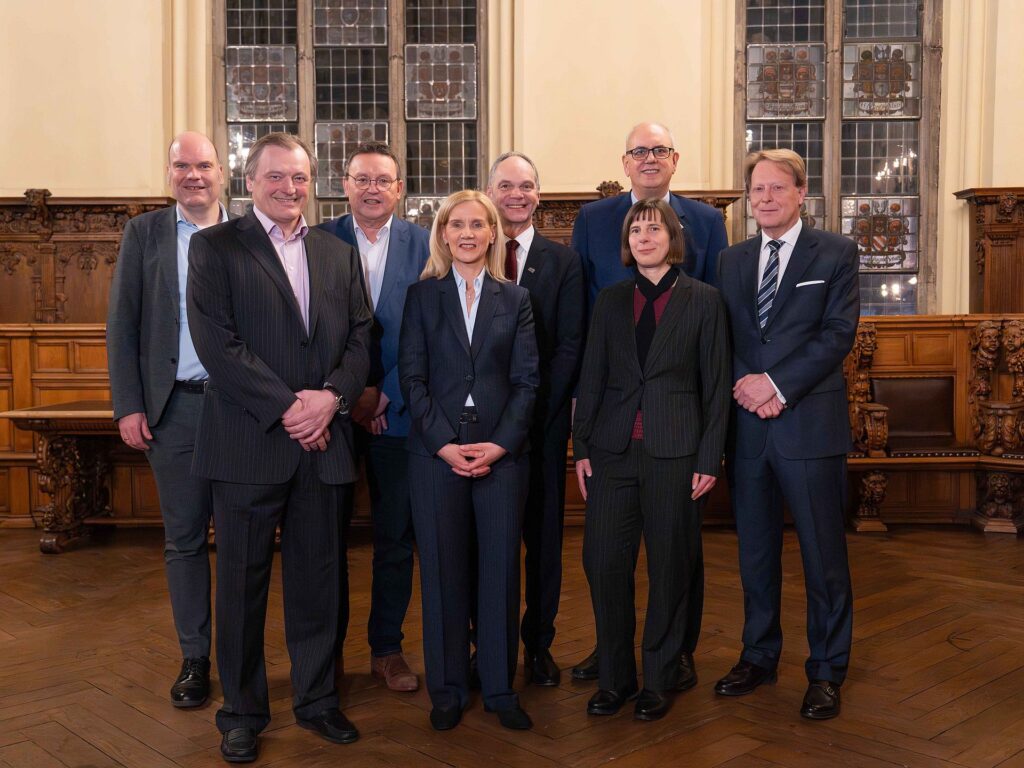
At the “unifreunde” Association’s New Year’s Reception, the President of the University of Bremen, Jutta Günther, emphasized the importance of close cooperation with the partner universities in Oldenburg and Groningen. Around 240 guests gathered gathered in the Town Hall on Wednesday.
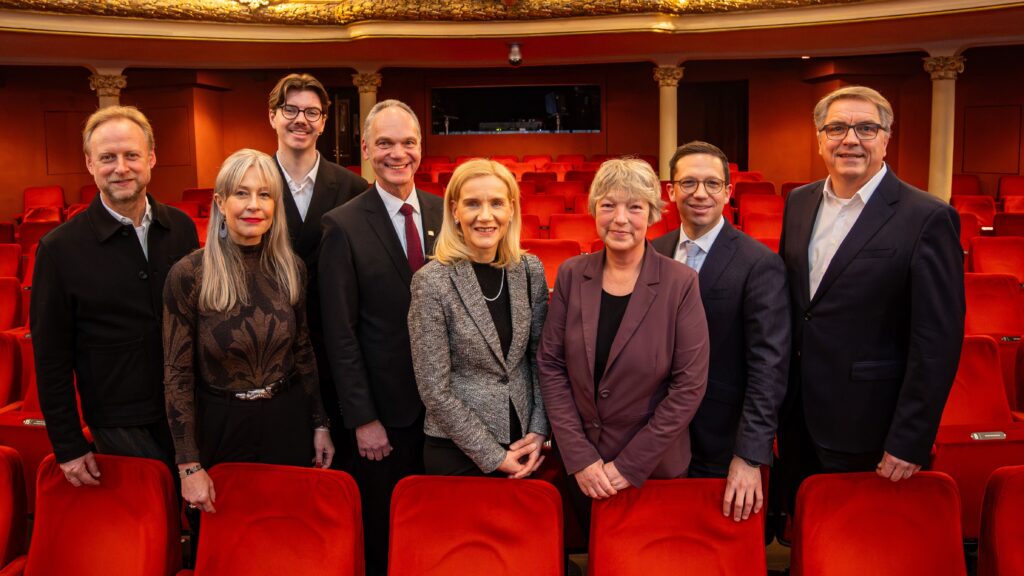
The university and the Universitätsgesellschaft celebrated their New Year’s reception with a special programme at the Oldenburg State Theatre.
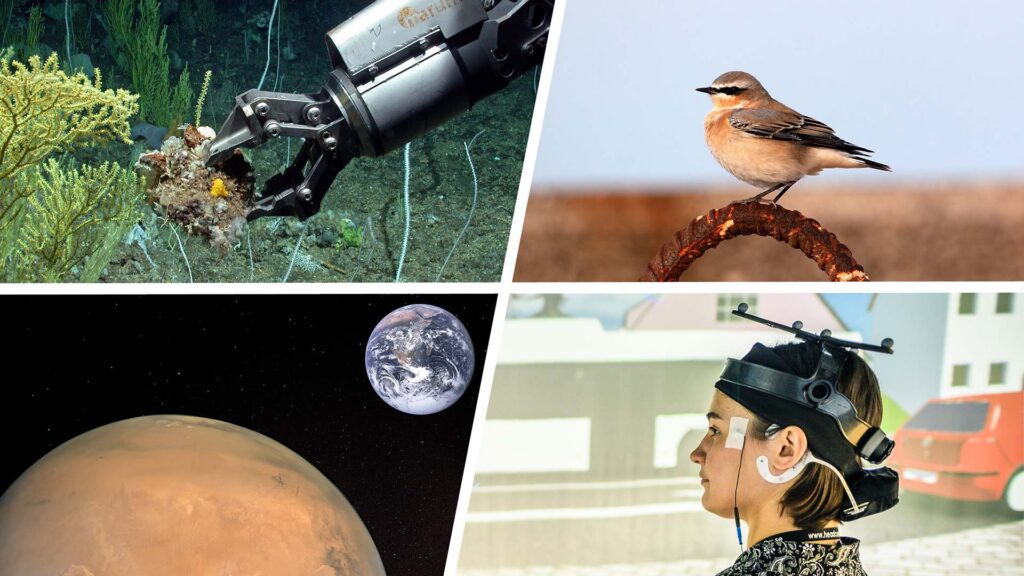
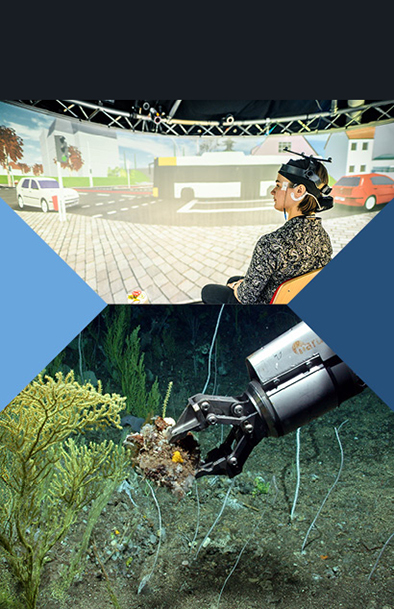
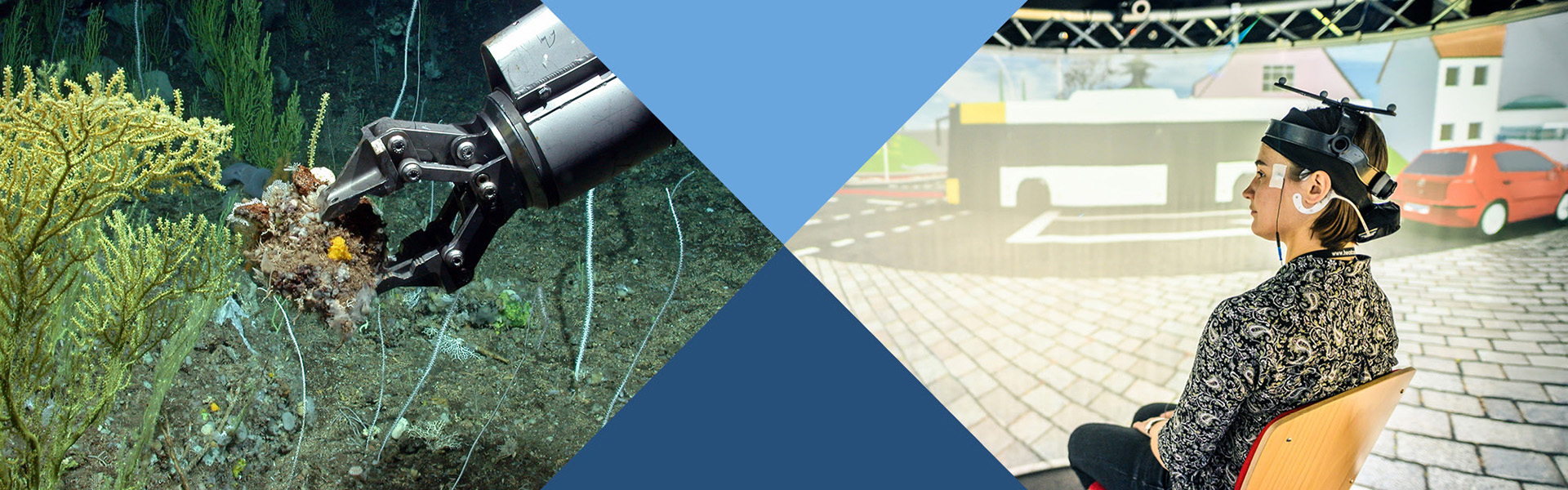
From the ocean floor to Mars, from human hearing to animal navigation abilities – researchers in the four Clusters of Excellence at the universities of Oldenburg and Bremen are focusing on a wide variety of topics. The teams began their work at the beginning of the year. We present a brief overview of the Clusters here.

The Northwest Alliance wishes you happy holidays and a great start to 2026. We’re excited and optimistic about the year ahead and look forward to continuing our journey together.

The German Research Foundation (DFG) has extended funding for the KD²School for Designing Adaptive Systems for Economic Decision-Making for five additional years.

For the second time, the Academic Senates from Bremen and Oldenburg met together. At the meeting, which took place at the HWK Delmenhorst, the university executive boards discussed the further strategy in the competition for the title of excellence.
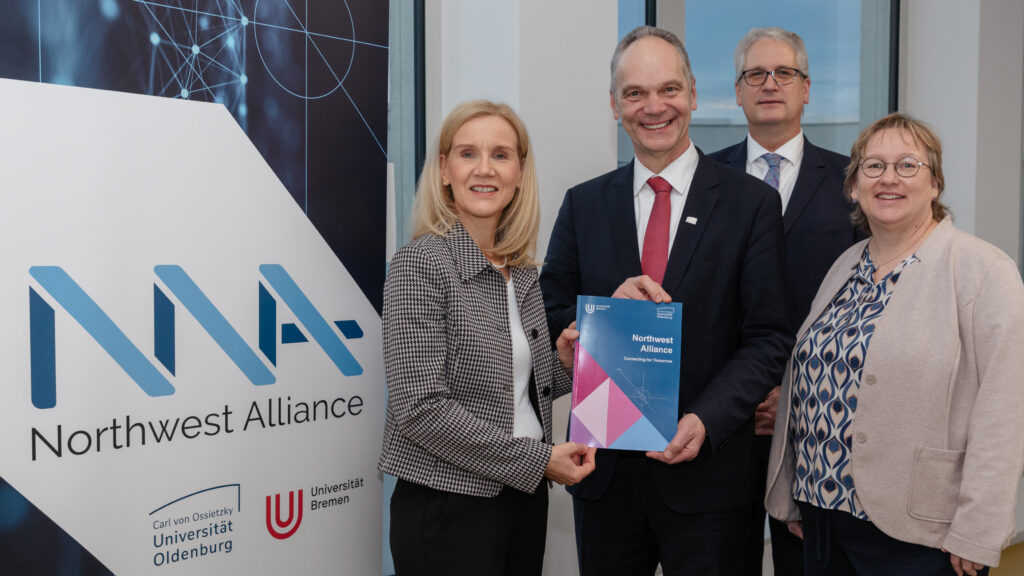
„Northwest Alliance: Connecting for Tomorrow” – this is the title under which the Universities of Oldenburg and Bremen have submitted their application for a University Excellence Consortium. The decision on funding will be made in October next year.
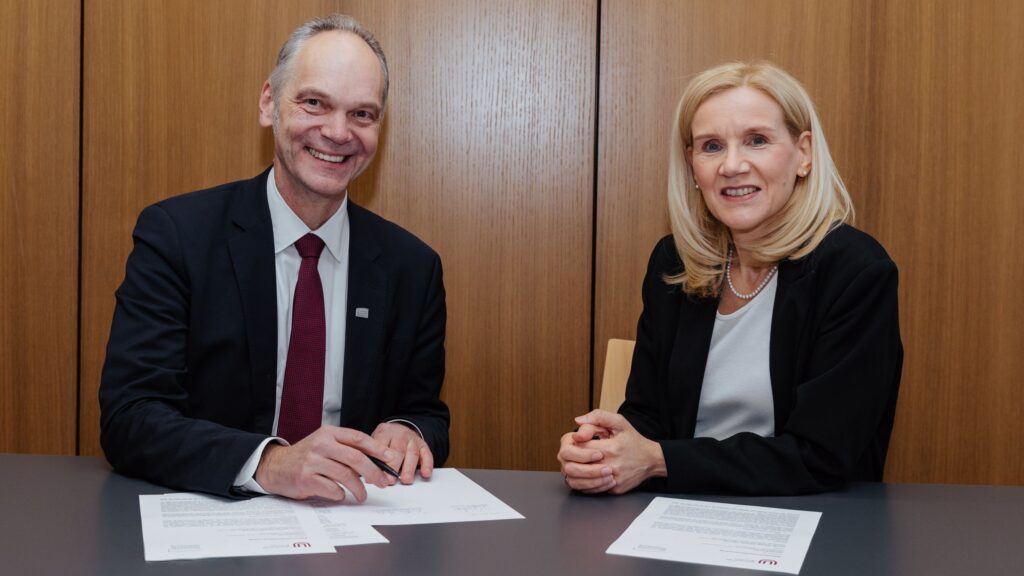
The universities of Oldenburg and Bremen have been working together for 25 years. With a revised cooperation agreement, they have laid down the framework conditions for long-term strategic cooperation.
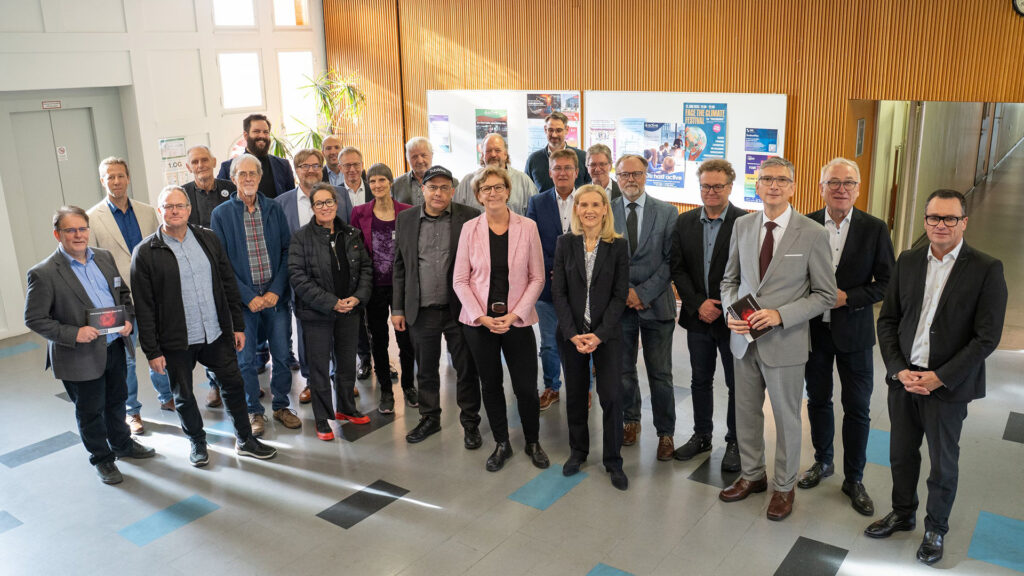
The University of Bremen and Bremen University of Applied Sciences have joined the “Astronomy Network Weser-Ems” (ANWE). The cooperation agreement was signed on Friday, October 24. The aim of the network is to promote and cultivate astronomy and related sciences in theory and practice.
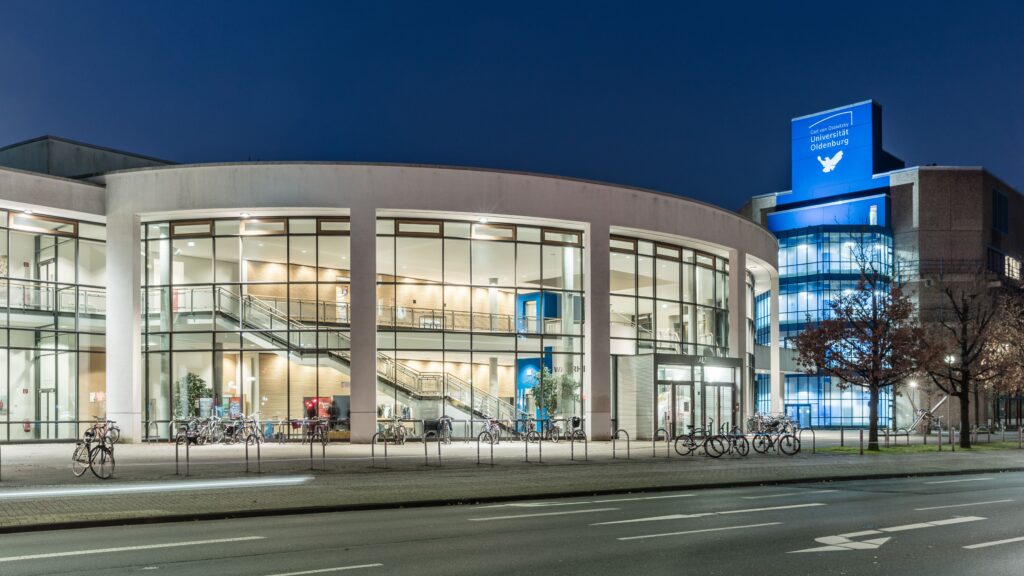
With the “NoW – Northwest Alliance Research Fund,” the partnership between the universities of Bremen and Oldenburg aims to intensify scientific collaboration between the two institutions. Researchers can apply for up to 20,000 euros in funding.
In order to strengthen academic cooperation in northwestern Germany and provide new short-term momentum for excellent research, the University of Bremen and Carl von Ossietzky University Oldenburg are establishing the “Northwest Impuls” and “Northwest Advanced” funding lines as of October 1, 2025.
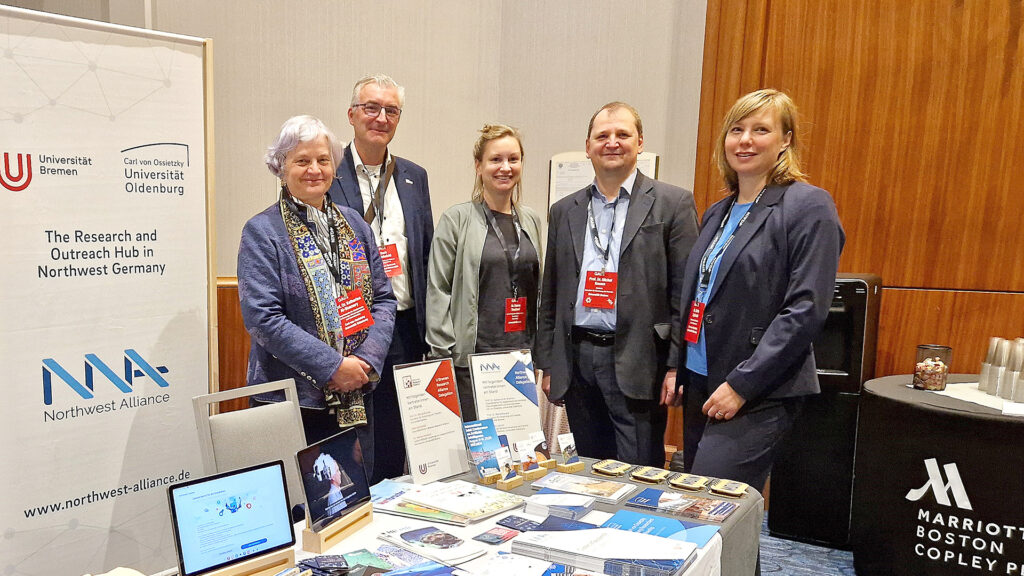
From August 29 to 31, the Northwest Alliance – the strategic alliance between the University of Bremen and the University of Oldenburg – presented itself together with the U Bremen Research Alliance at the annual conference of the German Academic International Network (GAIN) in Boston.
For most universities, rankings are an integral part of the game. But rankings alone do not reflect a university’s quality. The University of Bremen, together with the University of Oldenburg, has joined the international “More than our Rank” initiative to raise awareness to this fact.
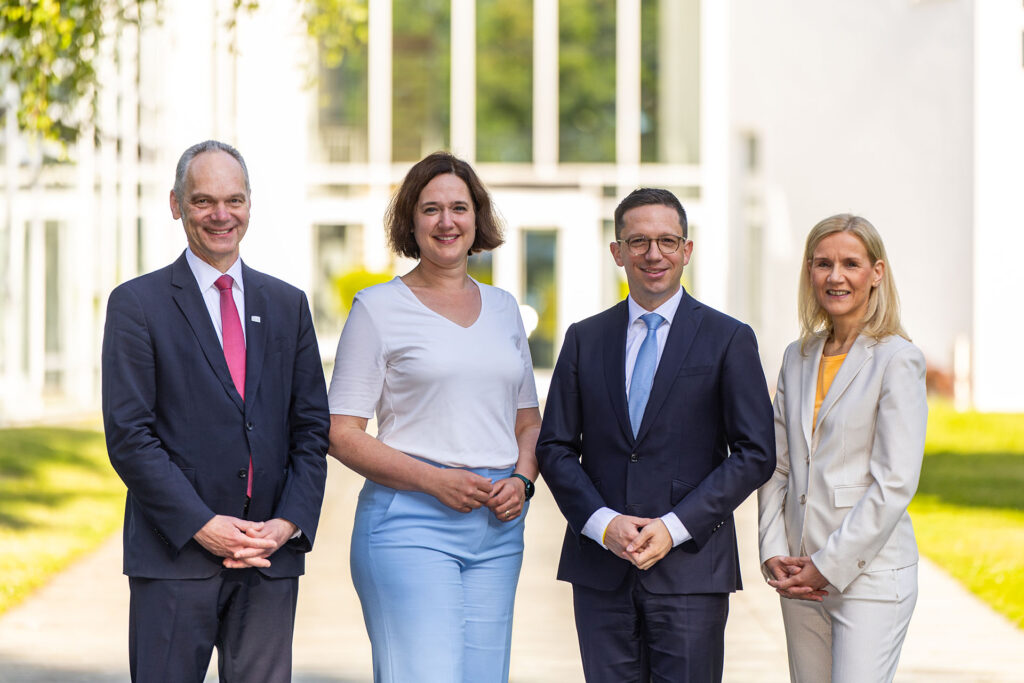
The universities of Bremen and Oldenburg want to move into the future as a University Excellence Consortium. The two universities submitted their letter of intent to the German Science and Humanities Council (Wissenschaftsrat, WR) today, meeting the deadline.
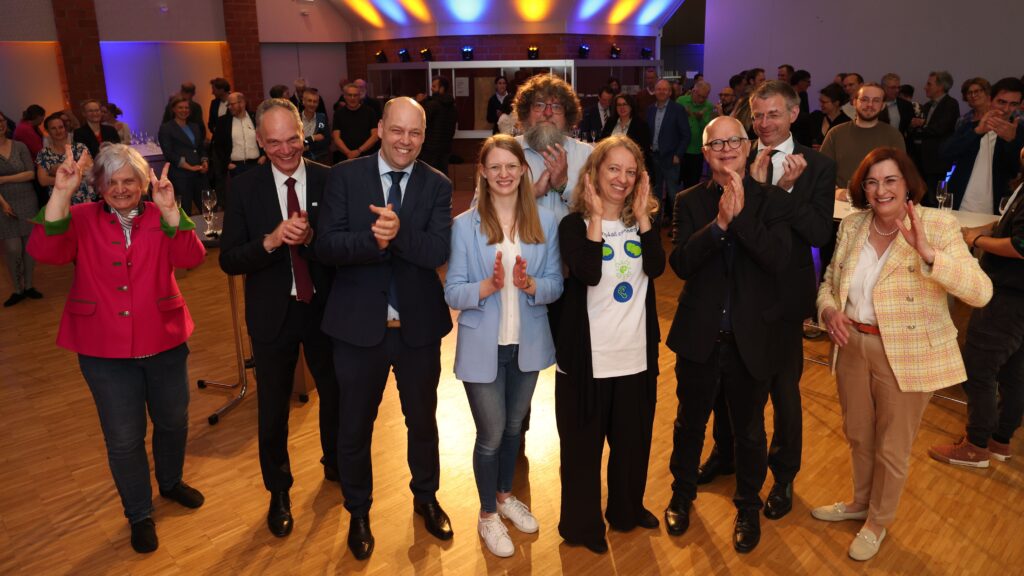
All three top research projects that applied in the Excellence Competition have been approved. The Clusters of Excellence Hearing4all, NaviSense and OceanFloor focus on hearing research, animal navigation and marine research.
Connect four: All four Excellence Clusters submitted by the founding universities of the Northwest Alliance—Bremen and Oldenburg—have been approved as part of the Excellence Strategy of the German Federal and State Governments. This outstanding accomplishment marks a major milestone and opens the door to the next big goal: applying together for the title of “University of Excellence.”
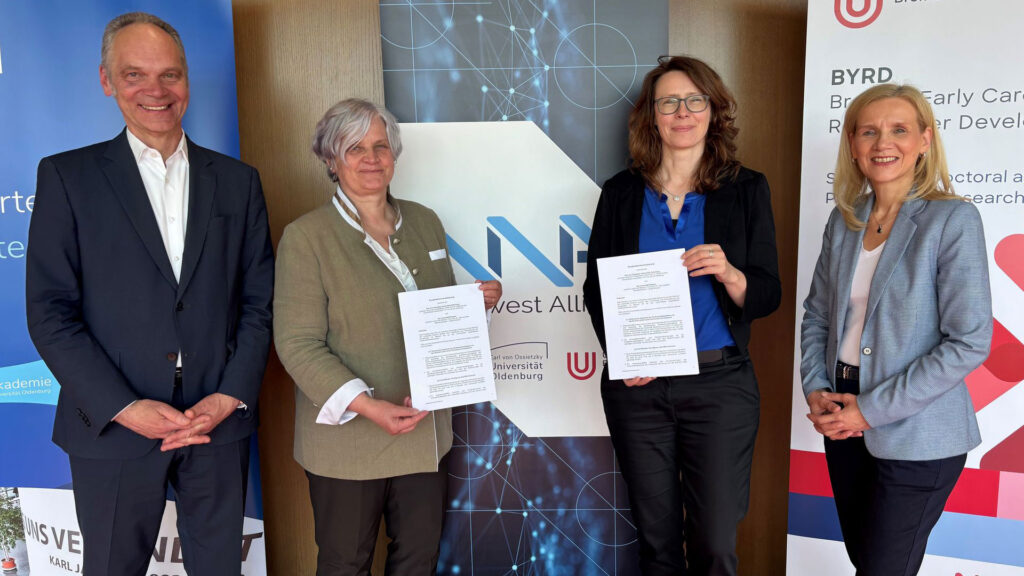
They have been working together successfully since 2016: The Graduate Academy of the University of Oldenburg and the Bremen Early Career Researcher Development (BYRD) of the University of Bremen. The cooperation agreement has now been renewed – with the common goal of providing even better support for doctoral candidates and postdoctoral researchers at both institutions in the future.
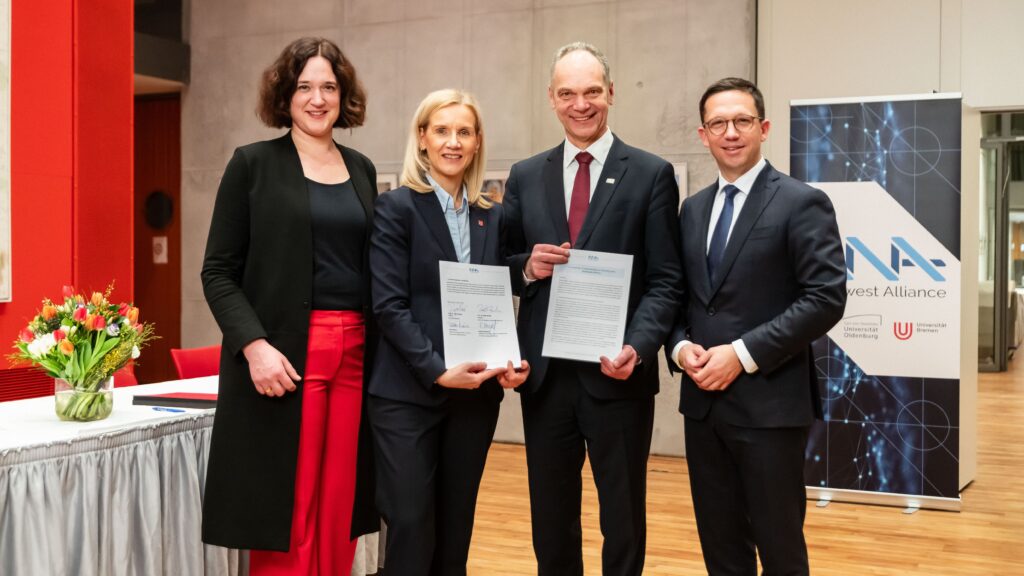
The universities of Oldenburg and Bremen are jointly establishing the “Northwest Alliance.” A memorandum of understanding was signed by the university administrations and the heads of the Bremen and Lower Saxony science departments in Berlin.
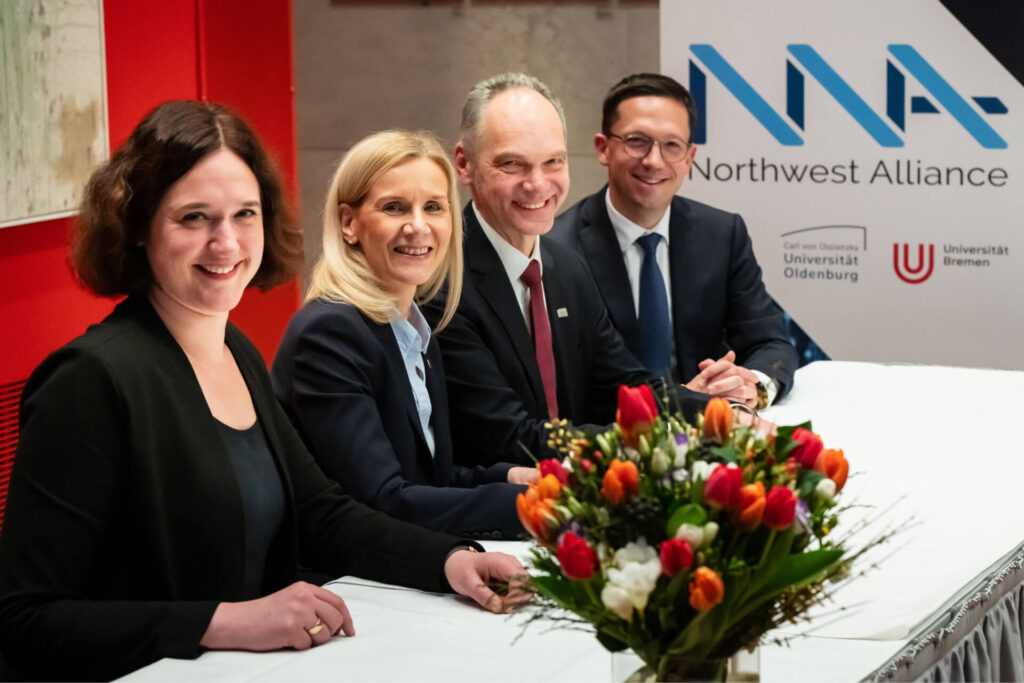
The universities of Oldenburg and Bremen are jointly establishing the “Northwest Alliance.” Last Friday, a memorandum of understanding was signed by the university leaders and the heads of the Bremen and Lower Saxony science departments on the sidelines of the science ministers’ conference in Berlin.
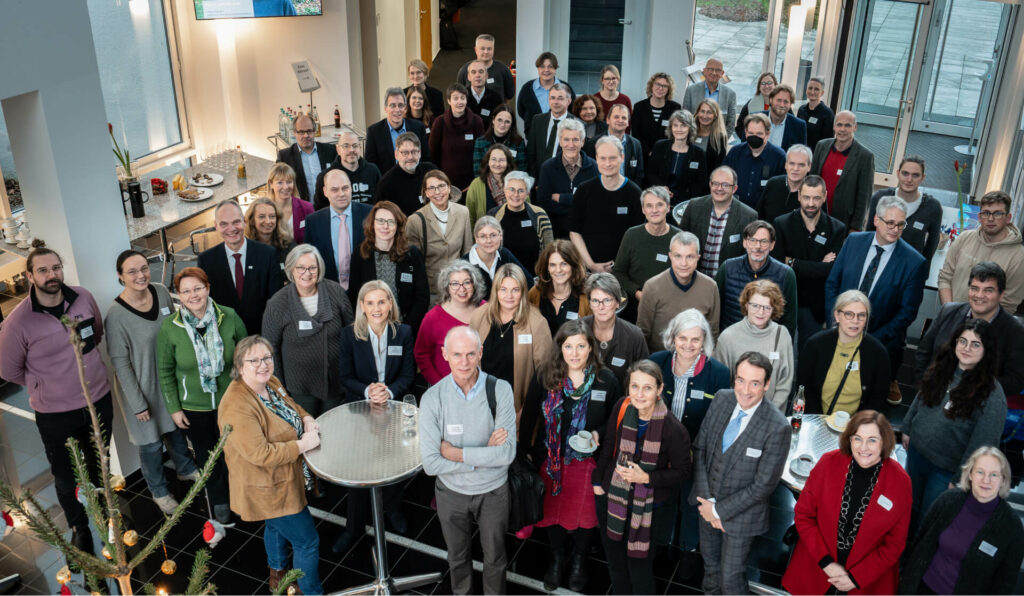
For the first time in their history, the academic senates of the universities of Bremen and Oldenburg met together on December 11, 2024. At the Hanse-Wissenschaftskolleg Delmenhorst, they discussed joint plans for the future in research, teaching, and knowledge transfer. Both senates unanimously endorsed the increased cooperation – including in the context of the Excellence Strategy.
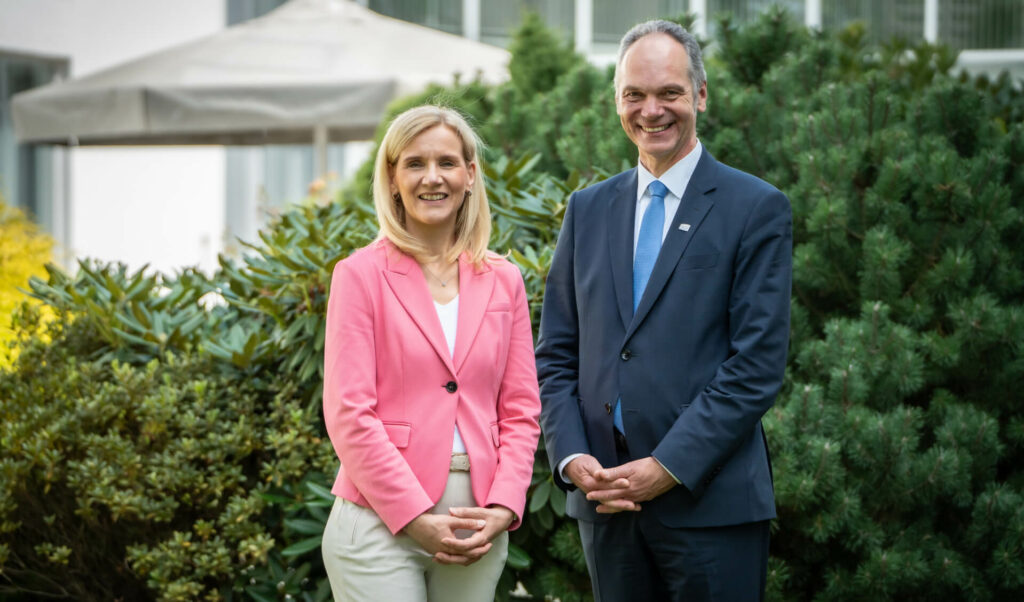
The universities of Bremen and Oldenburg are intensifying their cooperation within the framework of the federal and state excellence strategy. The universities of Bremen and Oldenburg are intensifying their cooperation as part of the Excellence Strategy of the Federal and State Governments. Both universities have submitted several full proposals for Clusters of Excellence in order to expand their research strength in important future-oriented areas. A decision on the funding will be made in May 2025.
The Northwest Alliance unites two reform universities with decades of experience in research, teaching, and knowledge transfer. Together, with around 580 professorships, 6,400 employees, 2,700 doctoral students, and 34,000 students, they form the core of a high-performance center of science in northwestern Germany.
The alliance’s goal is to combine excellent research with social responsibility and to find innovative solutions for regional and global challenges. The region is to be developed into a coherent research and outreach area in the medium to long term. The numerous scientific and non-scientific institutions in the northwest, with which both universities are already connected, as well as the Hanse-Wissenschaftskolleg, which has been acting as a link between the universities for more than 25 years, will play a central role in this. The alliance also sees itself as part of the international community, in close partnership in particular with the Rijksuniversiteit Groningen (Netherlands), with which both universities have been cooperating for decades. The Northwest Alliance not only connects the federal states of Bremen and Lower Saxony, but also represents a strong international network in a European border region.
On January 31, 2025, the universities of Bremen and Oldenburg laid the foundation for the Northwest Alliance: the two founding universities signed a memorandum of understanding at the Bremen state representation in Berlin.
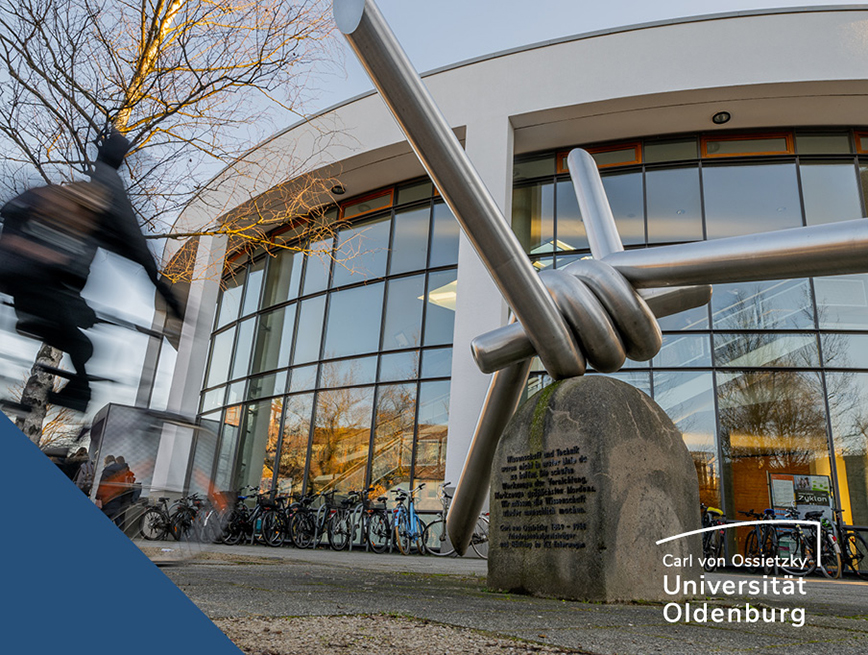
The University of Oldenburg conducts research and teaching on the major issues of the 21st century. Founded in 1973, it boasts around 15,000 students and cooperates with more than 200 universities worldwide. In the tradition of its namesake, the committed democrat, pacifist, and Nobel Peace Prize winner Carl von Ossietzky, it is committed to transparent science with a sense of social responsibility and sees itself as a cosmopolitan university. Embedded in the region and at the same time internationally oriented, the university pursues a strongly interdisciplinary approach to research. Under the motto “Open for new paths”, it offers a creative environment for innovative knowledge development and comprehensive knowledge transfer. It is linked in partnership with numerous non-university institutions in research, education, culture, and business. Non-university research institutes can be found on campus, such as the Helmholtz Institute for Functional Marine Biodiversity at the University of Oldenburg. The University of Oldenburg is one of the best universities in Germany for start-ups and is a pioneer of the “Open University.”
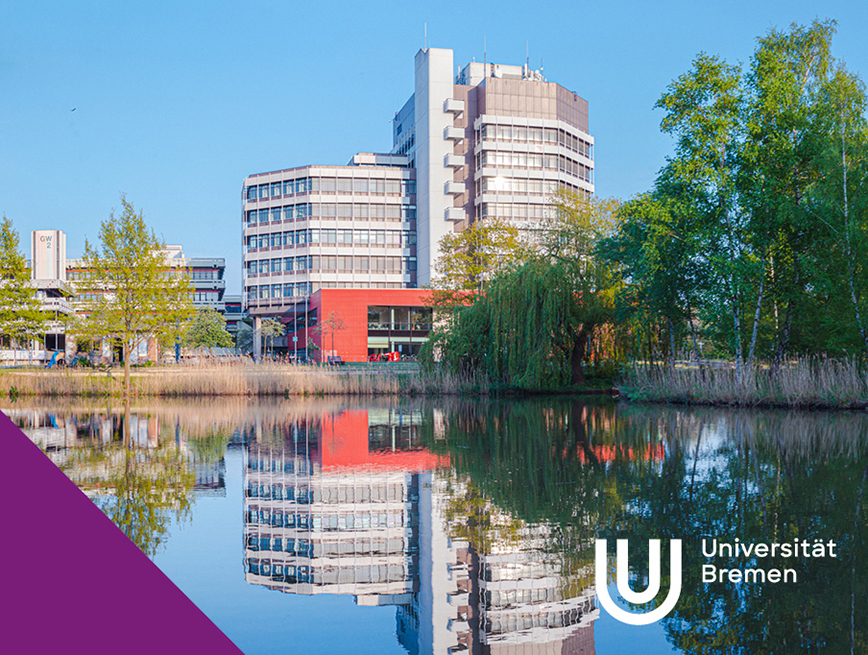
The University of Bremen is high-performing, cooperative, and open to reform. Social responsibility has been its guiding principle since its founding in 1971. It advocates for the social and ecological changes needed worldwide, for democracy, diversity, and justice. The UN Sustainable Development Goals and climate justice are of particular concern to the University of Bremen in research, teaching, administration, and technology. With its wide range of subjects, comprising around 100 degree programs, it combines exceptional performance and great potential for innovation with a pronounced interdisciplinary approach. It strongly advocates the approach of research-based learning and studying. As an ambitious European research university, the University of Bremen maintains close cooperation with universities and research institutes worldwide. In the region, it is part of the U Bremen Research Alliance and a liason partner for many stakeholders. As part of the European university alliance YUFE – Young Universities for the Future of Europe, the 23,000 people at the University of Bremen contribute to the further development of society and actively shape academic collaborations worldwide.
The Hanse-Wissenschaftskolleg (HWK) is a foundation that promotes science. Since 1997, it has annually awarded between 50 and 60 grants for research fellows in Delmenhorst, thus promoting excellent science in northwestern Germany. The HWK allows its fellows to concentrate on a research project free from other academic obligations and promotes interdisciplinary dialogue by offering opportunities for cooperation and exchange. The fellows benefit from the close cooperation with the universities in Bremen and Oldenburg and other regional research institutes, as well as from a large international alumni network. In this way, the HWK also supports the internationalization of regional science and its Clusters of Excellence.
The University of Groningen is an internationally oriented university with a rich academic tradition. Since its founding in 1614, it has produced outstanding scientists, including the first female student, the first Dutch astronaut, and several Nobel Prize winners. Geographically, the university is rooted in the north of the Netherlands. It combines education and research with sustainable and economic developments in society. These areas of focus are reflected in its three core areas: energy, healthy aging, and sustainable society.
Adviser to the University Executive Board for Excellence and Strategic University Development
Maike Koschorreck
University Communication and Marketing
Personal Assistant to the President
Alke Freese
Head of Press & Communication