
Researching Social Cohesion
Social upheavals such as digitalization, demographic change, socio-ecological transition, and global crises as well as geopolitical tensions present societies with new challenges. Researchers from the Universities of Bremen and Oldenburg are collaborating to study how social inequalities evolve over the course of a person’s life in light of these transformations, and what consequences this has for social cohesion.
Disciplines
Political science
Sociology
History
Geography
Public Health
Computer Science
Social/Cultural Anthropology and Cultural Studies
Media Studies
Economics
The focus is on the dynamics of social inequality and the role of social policy in the social and political integration of societies in the context of global interdependence and crises. This approach combines theory-based methods with empirical analyses and international comparisons, including outside the OECD.
Key institutions include SOCIUM – Research Center on Inequality and Social Policy and the Institute of Intercultural and International Studies (InIIS). Research networks such as Global Dynamics of Social Policy (CRC 1342), the Research Institute for Social Cohesion, the Social Dynamics of the Self research training group, and the German Institute for Interdisciplinary Social Policy Research pool their expertise and research capabilities. Research data infrastructures such as the Qualiservice research data center and the Welfare State Information System support evidence-based analyses.
In the coming years, the universities aim to strengthen the Northwest Alliance as an international hub for global social policy, social cohesion, and statehood. To this end, outstanding international researchers are being invited, cooperation with the University of Groningen (RUG) is being deepened, and global visibility is being enhanced.
Building on experience with structured doctoral programs (BIGSSS, 3GO), a joint PhD program is being established for Bremen, Oldenburg, and Groningen. It connects early career researchers with leading scholars, offers a unique training environment for the empirical analysis of social cohesion, and integrates quantitative and qualitative methods.
The locations complement each other in terms of methodology and subject matter: Computational social science and network research in Bremen and Oldenburg, supplemented by analytical sociology, political science, and social network analysis at the University of Groningen. Joint research institutes, graduate schools, and exchange programs ensure long-term cooperation and the international visibility of the research focus.
Spokespersons of the Focal Research Area
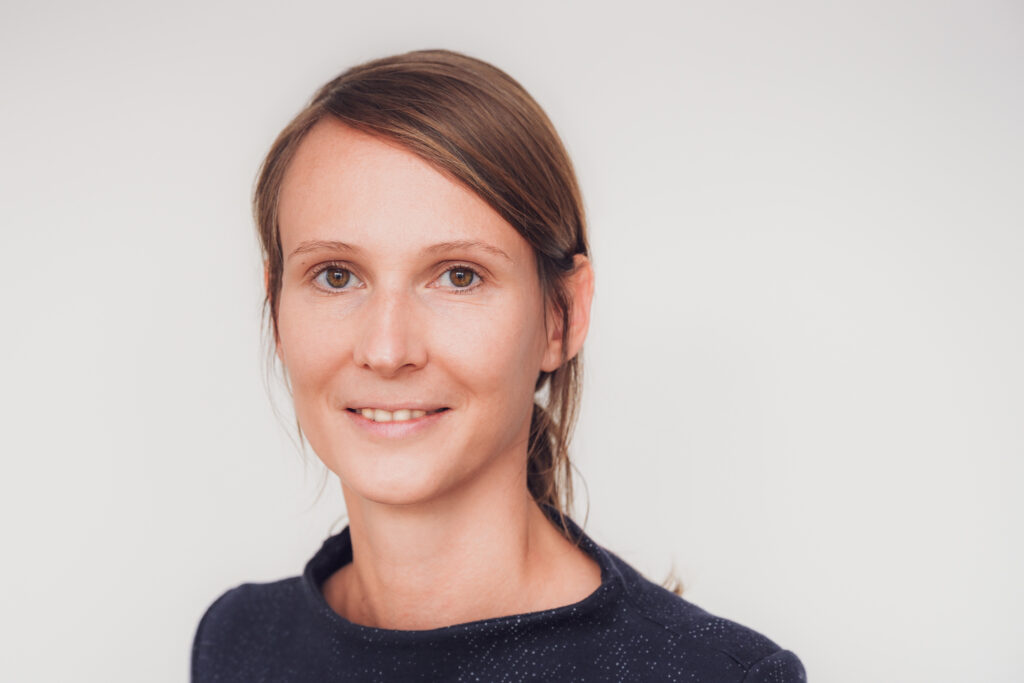
Prof. Dr. Gundula Zoch, University of Oldenburg
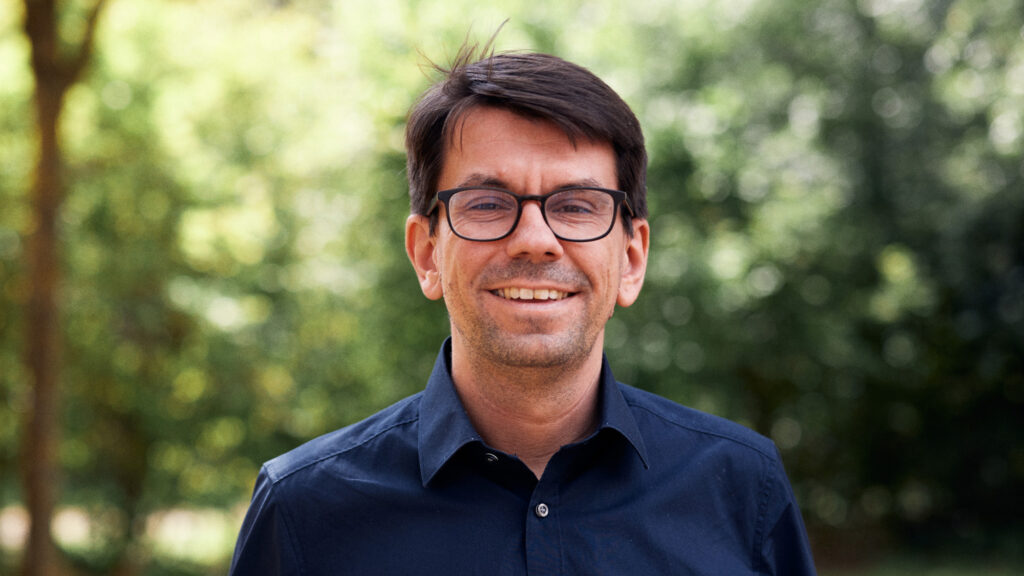
Prof. Dr. Patrick Sachweh, University of Bremen
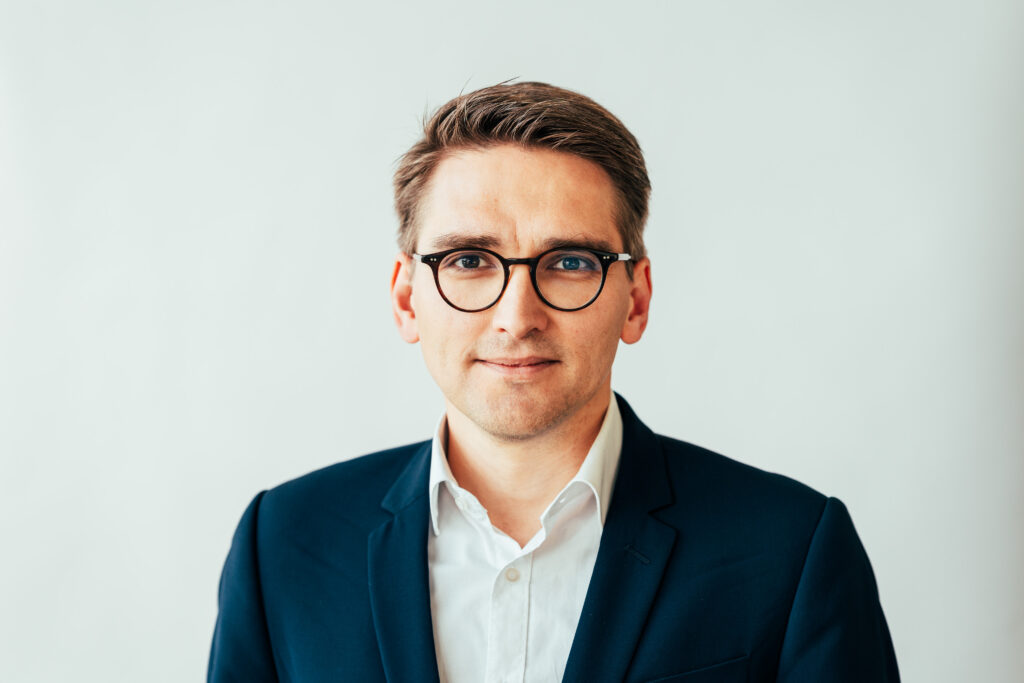
Prof. Dr. Markus Tepe, University of Bremen
Through the Northwest Alliance, the social sciences in Bremen, Oldenburg, and Groningen are intensifying their collaboration and pooling their expertise to create an internationally visible and methodologically innovative area of focus on the transformative changes facing our societies.
Professor Patrick Sachweh