


Sensory Mechanisms
Quantum Biology
Future
Technologies
Every year, billions of animals travel precise navigational routes over enormous distances, transporting large amounts of biomass around the globe. They navigate using various sensory systems such as vision or a magnetic sense, which is thought to be based on quantum mechanical effects at ambient temperature. The goal of this research is to understand the biological mechanisms underlying animal navigation and to use these insights to drive innovation in technology, nature conservation, and society.
Disciplines
Biochemistry
Biology
Bioinformatics
Chemistry
Computer Science
Physics
Political Science
Economics
The focus is on an interdisciplinary approach that combines biology, physics, chemistry, computer science, and the social sciences. The research is divided into several closely related areas: the biological foundations of navigation and the sensory systems involved, potential quantum effects in biological processes at ambient temperature, the ecological and conservation implications of animal migrations, and the development of models for bio-inspired technical systems.
Important research structures are located at the University of Oldenburg, particularly the Research Center Neurosensory Science, which houses the Collaborative Research Centre “Magnetoreception and Navigation in Vertebrates” and the Cluster of Excellence “NaviSense,” among others. The University of Bremen will contribute additional expertise in engineering and materials science.
An international network that includes the University of Groningen, Lund University, and the University of Oxford is bolstering the research. Together, they are investigating fundamental questions such as how a quantum-based magnetic sense works – from the spin of individual electrons to biochemical processes and neural coding.
The researchers also want to find out how animals define their home. This knowledge could help successfully reintroduce rare species. Another key question is how to develop technical systems that enable precise navigation even without GPS. The combination of leading biomimetic robotics in Groningen with engineering expertise in Bremen maximizes the translational potential of this area of focus.
Spokespersons of the Focal Research Area
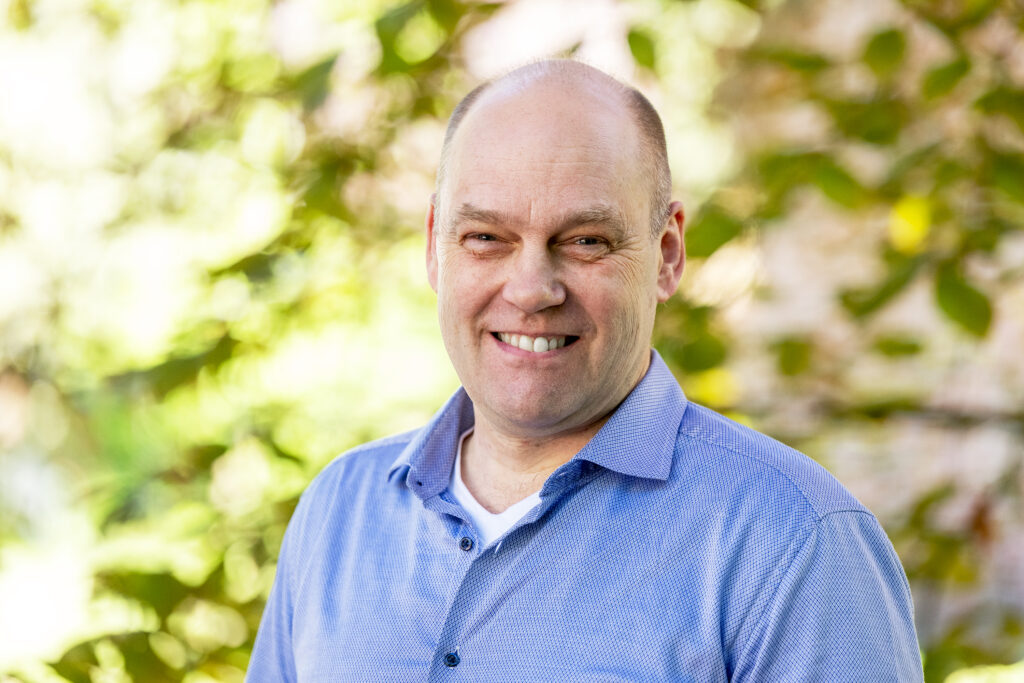
Our scientific mission is to provide a deep, interdisciplinary understanding of the senses and mechanisms used by animals to navigate and how these mechanisms can inspire technology and impact society, ecology, and biodiversity.
Professor Henrik Mouritsen, University of Oldenburg