

For a Sustainable Future
The research and development of sustainable materials and innovative manufacturing processes are a central area of focus for the Northwest Alliance. The goal of this collaboration is to combine the specific strengths of the locations in Bremen, Oldenburg, and Groningen to develop joint solutions for resource-efficient and climate-neutral materials. All classes of materials are addressed by the research, including metals, polymers, ceramics, and composites, with applications in key future fields such as mobility, energy, electronics, and aerospace.
Disciplines
Biology
Chemistry
Geography
Geo Sciences
Marine Engineering
Physics
Social Sciences
Economics
Environmental Sciences
Mathematics
Computer Science
A key anchor for these activities is the MAPEX Center for Materials and Processes at the University of Bremen, where materials science has shaped the research profile for more than two decades. With the establishment of MAPEX in 2014, an interdisciplinary platform was created that brings together researchers from various STEM faculties as well as non-university partner institutions. This enables research along the entire process chain, from material development to advanced manufacturing technologies.
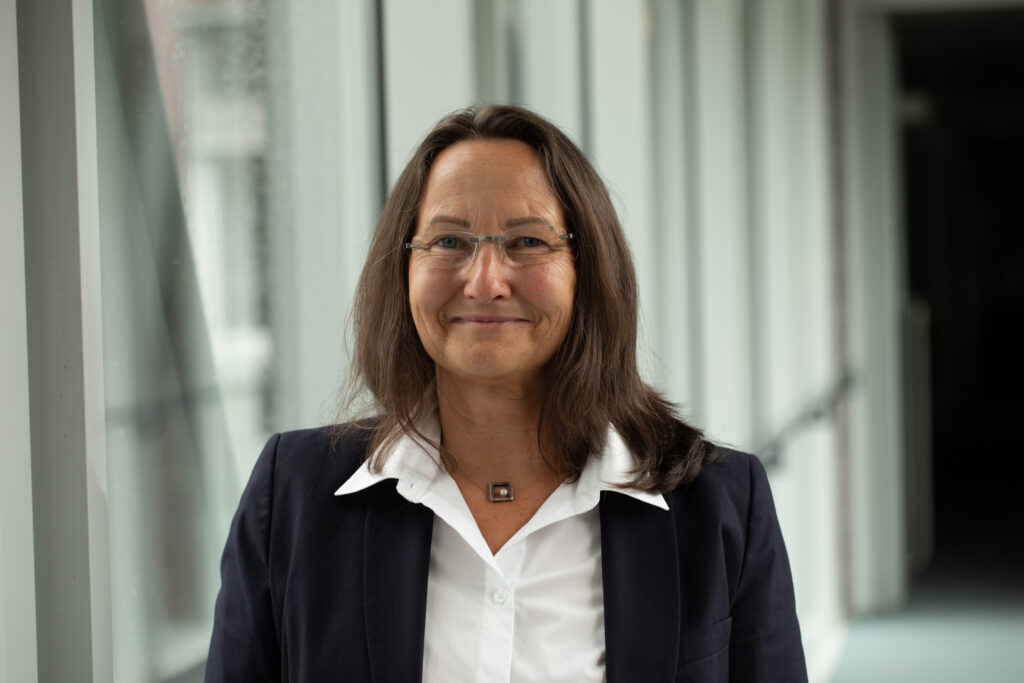
An outstanding example of this approach is the Cluster of Excellence “The Martian Mindset.” Here, expertise in materials science, process engineering, production engineering, and aerospace engineering is combined with approaches from behavioral sciences and robotics. “The goal is to develop novel production methods for extremely resource-scarce conditions, which can serve as a model both for the settlement of Mars and for green transformation on Earth,” emphasizes Kirsten Tracht, co-spokesperson of the Cluster of Excellence.
In addition, the collaboration focuses on solid-state physics and ultrafast nano-optics. In the future, the cooperation will be expanded to strategic fields such as quantum materials, battery technologies, sensor systems, and microbial plastic degradation. One example is the project “Circular Electronics,” which develops new approaches for recyclable electronic systems. Collaboration with the Zernike Institute in Groningen is integrated in a targeted way and further strengthened in these areas.
A key element of cooperation within the Northwest Alliance is the shared use of infrastructure, joint early-career programs, and the innovation center Matena innovate!, which systematically translates research findings into market-ready applications.
Key Research Initiatives
Spokespersons of the Focal Research Area
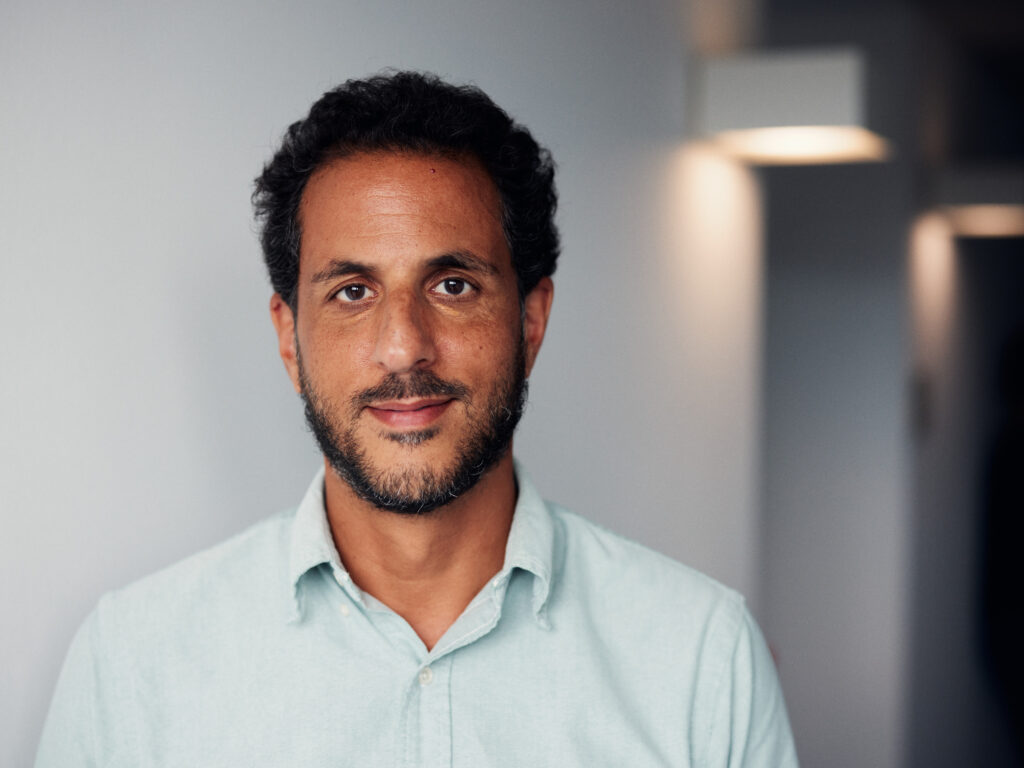
In seven years, the Northwest Alliance will have demonstrated what is possible when excellent materials science collaborates consistently: innovative technologies that not only are environmentally sound, but also sustainably strengthen the economy and pave the way toward a climate-neutral society.
Professor Korusch Rezwan, University of Bremen
The goal is to develop novel production methods for extremely resource-scarce conditions, which can serve as a model both for the settlement of Mars and for green transformation on Earth.
Professor Kirsten Tracht, University of Bremen