

Dependable Human-Centered Artificial Intelligence
A key objective of the research focus “Dependable Human-Centered Artificial Intelligence (HCAI)” is to design artificial intelligence (AI) in such a way that it effectively supports people. To this end, adaptive, explainable, and transparent systems are being developed that take human needs, abilities, and values into account. Methods and approaches from computer science, robotics, data science, biosignal processing, and the social sciences are combined to develop highly dependable and human-centered technologies and systems.
Disciplines
Computer science
Mathematics
Psychology
Social and behavioral sciences
Ethics
An area of focus at the University of Bremen is on biosignal-adaptive systems, cognitive robotics, and explainable AI algorithms. Notable initiatives include the Minds, Media, Machines research area, the Center for Computing Technologies, the Data Science Center, and the Collaborative Research Centre EASE. Key infrastructure facilities include the Biosignals Hub and the DataNord data competence center, as well as connecting platforms such as the Virtual Research Building and LabLinking.
The University of Oldenburg contributes its expertise in human–cyber–physical systems, robust AI models, and federated learning methods, which are being further developed through interdisciplinary research at the Research Center Human–Cyber–Physical Systems and the Scientific Centre for Methods of Artificial Intelligence and Data Science – WiZArD.Both universities are partners in the CAUSE and KD²School research training groups. CAUSE develops self-explanatory digital systems; KD²School designs biosignal-adaptive systems for decision-making processes.
The complementary strengths of both universities enable research into robust, human-centered AI systems that combine technological dependability with a human-centered approach. Cooperation is being strengthened through workshops, cross-campus initiatives, and interconnected laboratory infrastructures.
Key Research Initiatives
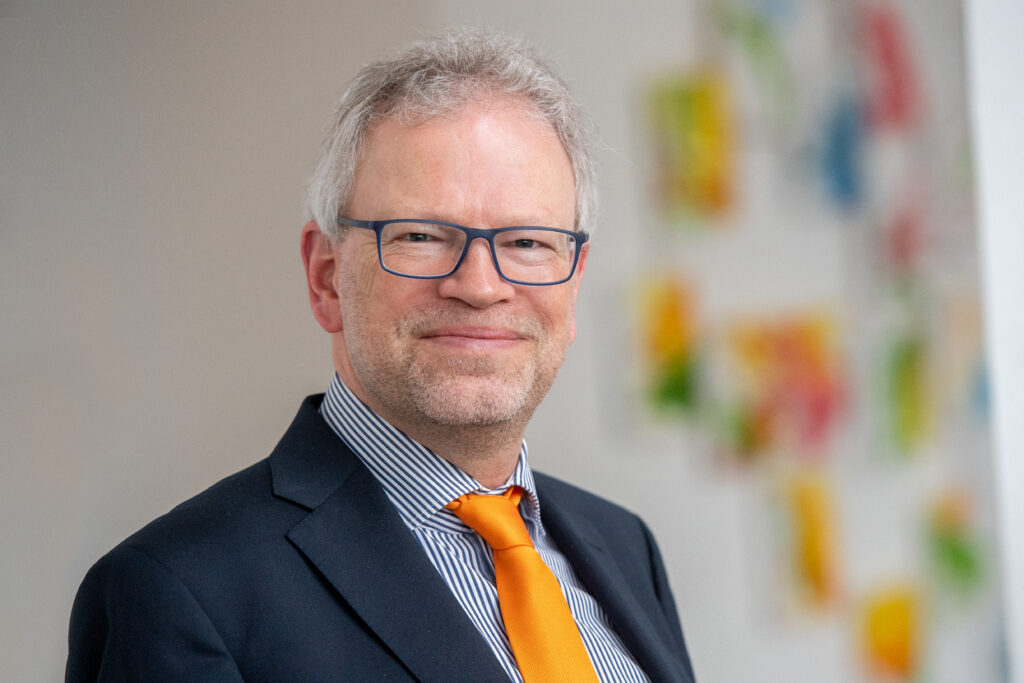
Spokespersons of the Focal Research Area

The HCAI research focus addresses one of the most pressing challenges in society: the relationship between humans and AI. As AI becomes increasingly prevalent in all areas of life, we must ensure that it serves humanity – not the other way around.
Prof. Dr. Tanja Schultz, University of Bremen
In the future, AI-based systems will only be able to be used responsibly in critical application domains if they support and complement humans and are many times more dependable than current AI systems. Over the next seven years, we expect to provide a set of engineering methods for developing such highly dependable, human-centered AI systems.
Prof. Dr. Martin Fränzle, University of Oldenburg