
In an increasingly competitive research environment, the Northwest Alliance combines the complementary strengths of the universities of Bremen and Oldenburg to promote excellence in research. Together with the University of Groningen and the Hanse-Wissenschaftskolleg as strategic partners, the Northwest Alliance stands for cooperative, international cutting-edge research that takes social responsibility into account. Its high-profile areas combine different areas of expertise to address common topics of future relevance.
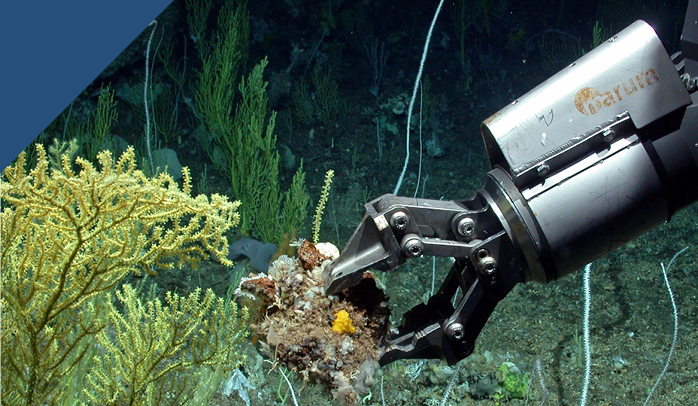
Earth System Sciences
The focus of this profile area is on the interactions between the ocean, climate, and biodiversity. Biological, chemical, geological, and physical processes that together determine the dynamics and stability of the Earth system are being analyzed in this area.

Hearing and Brain Health
Leading international hearing research meets data-driven and digital health research. By combining both areas, intelligent technologies are to be developed that enable the prevention, monitoring, and support of brain health.

Animal Navigation
How animals perceive their environment and navigate over short and long distances are central to this profile area. This research explores sensory mechanisms and biological processes from the quantum level to global migratory movements and their potential for future technologies.

Materials and Processes
How is it possible to reduce the environmental impact of materials not only during their use, but even at the time of their creation? This is question lies at the heart of research and development into sustainable materials and innovative manufacturing and processing methods. The aim is to design materials and processes that are both high performing and resource efficient and therefore make a significant contribution to sustainable technological development.

Human-centered AI
Artificial intelligence that interacts with people and supports their capabilities must be designed to be trustworthy and consistently put people first. This area of focus develops reliable AI systems that are used for the benefit of people and society.

Global Social Policy
Empirical analyses and theory-driven approaches form the foundation of this area of research. Applying an international perspective, researchers study how social inequalities evolve in the face of societal transformations, how welfare states respond to these changes, and what consequences this has for social cohesion.

Potential
Areas
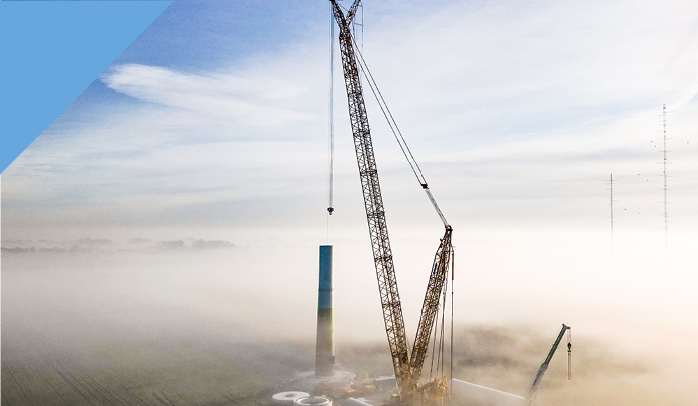
Green Energy Transition
The transformation of the energy system is crucial for achieving a climate-neutral future. This research area seeks to integrate research on wind energy, hydrogen, and energy systems, and to provide a comprehensive understanding of the technical, economic, and social aspects of sustainable energy transitions.

Competing Futures
In times of multiple and overlapping social crises, competing visions of the future emerge on issues such as migration, climate change, and artificial intelligence. But which of these visions will prevail? Who is the driving force behind each vision? How are they dissected in discourse? This research area aims to examine how competing futures take shape, gain legitimacy, distinguish themselves from one another, and vie publicly for interpretive authority. It also aims to examine how they already influence our social practices here and now.